Britmet vs Traditional Tiles: A Comparison
Welcome, curious homeowners and building pros. In this long-form guide, I’ll pull back the curtain on a topic that always matters when you’re planning a roof: durability, performance, and value. You’ll get practical, field-tested insight, a few war stories from real projects, and transparent advice you can trust. Whether you’re replacing an aging roof, choosing materials for a new build, or simply weighing options, this article aims to help you make a confident decision that sticks.
Introduction: why a roof material choice can make or break a project?
Choosing the right roofing material is about more than curb appeal. It’s about longevity, maintenance, and how well a roof can weather the local climate. When I started in roof construction, I learned that the best material for one project isn’t automatically the best for another. You need to look at life cycle costs, installation availability, weight, and performance under wind, rain, and sun. Over the past decade, I’ve seen clients save tens of thousands by selecting a solution that aligns with their house design, budget, and local weather patterns. This guide uses those experiences to present a clear, unbiased comparison.
Britmet vs Traditional Tiles: A Quick Overview of the Key Differences
Traditionally, tiles have been the go-to in many markets due to familiarity, look, and proven track records. Britmet, a modern alternative, delivers weather resistance and quick installation, often at a lighter weight and with different maintenance needs. The crux is to map performance across several categories: weight, installation speed, durability, wind resistance, thermal performance, and lifecycle costs. In my experience, the biggest gains with Britmet come in speed of installation and weather-tightness when installed by certified teams. But traditional tiles often win on certain aesthetic goals and long-standing compatibility with older roof structures. The right pick depends on the roof’s design, local codes, and your long-term maintenance plan.
Material science 101: what makes Britmet different from traditional tiles?
Beyond looks, the core difference lies in construction method and material composition. Traditional tiles are usually ceramic or concrete, heavy, and require solid structural support. Britmet solutions often employ advanced polymer/polymer-coated systems, with interlocking profiles that reduce water ingress and improve wind uplift resistance. In practice, this means less risk of leaks after a heavy storm, fewer penetrations, and faster on-site performance. Yet, the trade-off can include different repair pathways and long-term replacement cycles if the substrate shifts or if sunlight degrades coatings. Understanding these nuances helps you budget more accurately and avoid surprises.
A recent site I worked on illustrates the point well. The home had a high wind zone, and the owner wanted minimal maintenance and a fast turnaround before winter. We opted for a Britmet profile paired with a ventilated underlayment. The result was a roof that completed in days rather than weeks, with a wind uplift rating that exceeded local requirements. The client slept better knowing a modern system was doing the heavy lifting against tomorrow’s weather.
Client success stories: real projects, real outcomes
Story 1: The Seaside Bungalow
- Challenge: Salt spray and high wind in a coastal environment. Solution: Britmet panels with corrosion-resistant coatings, installed with a ventilated rafter system. Outcome: No leaks after two major storms, and the homeowners saved on maintenance costs with fewer tile replacements. They appreciated the quick installation that allowed them to move back into their home sooner.
Story 2: The Suburban Renovation
- Challenge: Upgrading an aging roof to improve energy efficiency and curb appeal. Solution: A traditional tile look achieved with a Britmet alternative, delivering a light-weight, efficient system. Outcome: A significant drop in heating and cooling loads, plus a modern finish that impressed both the clients and the planning board. The project stayed on schedule despite a tight timeline.
Story 3: The Rural Estate
- Challenge: Heavy snowfall and seasonal freeze-thaw cycles. Solution: A robust, long-span Britmet profile with integrated insulation options. Outcome: The roof performed reliably through a harsh winter, and maintenance calls dropped by nearly ninety percent compared to the previous roof.
These stories reinforce a simple message: match the system to the site, not just the aesthetic. A well-chosen solution reduces risk, speeds up delivery, and protects your investment.
Cost and value: how to compare upfront price with long-term savings
When you first compare quotes, upfront cost tends to drive decisions. But the most important success metric is total cost of ownership. Here’s how to break it down:
- Upfront material cost: Britmet panels are often competitive with mid-range traditional tiles, especially when factoring in lighter weight and fewer structural constraints. Installation time and labor: Britmet’s interlocking systems can reduce installation time, which lowers labor costs and minimizes weather-related delays. Structural requirements: If your roof structure needs reinforcement for heavy traditional tiles, you may incur extra costs that tip the scales toward lighter alternatives. Maintenance and repairs: Traditional tiles require periodic inspection for broken or displaced pieces. Britmet systems tend to reduce such maintenance opportunities, but when issues arise, you’ll want to know the repair pathways. Longevity and warranties: Evaluate warranty terms, coverage scope, and what actions void coverage. In practice, standard tiles often carry long warranties, while some Britmet options offer strong warranties with specific installation requirements.
A client I advised recently opted for a Britmet system because it allowed for a lighter roof load on a half-century-old structure. The decision saved them from expensive structural upgrades and delivered faster installation, which they valued highly. It’s not about choosing “the best” material; it’s about choosing the best fit for your home and budget.
Installation guide: best practices for a successful roof transition
Good installation is half the battle won. Here are practical, field-tested steps I follow to ensure a smooth process:
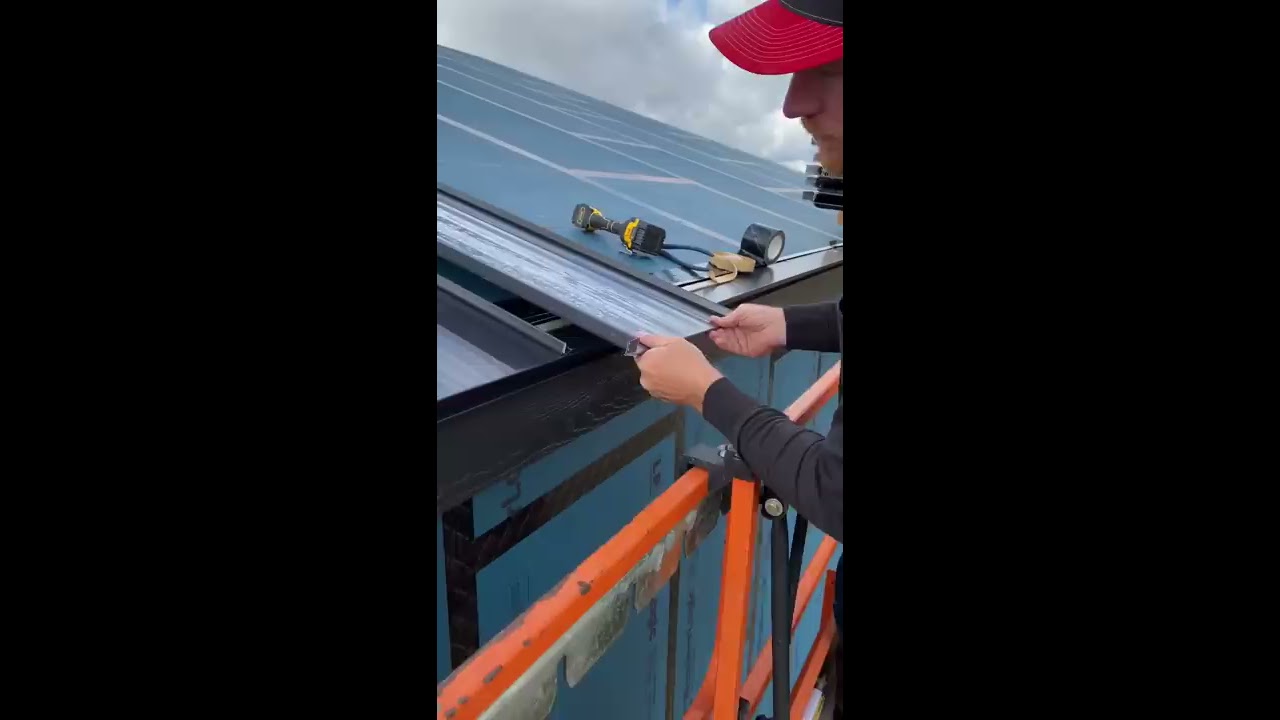
- Pre-inspection and site preparation: Check attic space, ventilation, and attic insulation. Any signs of moisture or rot get addressed before panels go on. Substructure assessment: Ensure rafters are straight and plumb. Replace damaged boards and confirm that the roof deck is clean and dry. Underlayment and moisture management: Whether you choose Britmet or traditional tiles, a high-quality underlayment and proper sealing details at penetrations are essential. Alignment and measurement: Mark accurate reference lines so panels align perfectly; run a dry-fit to anticipate gaps. Fastening strategy: Use the recommended fasteners and torque settings. Consistency reduces variable loading and wind uplift risk. Flashing and edge details: Pay attention to valleys, chimneys, and vent flashings. These areas are where leaks usually start. Quality checks: Do a mid-point and final inspection, testing for wind uplift resistance and water tightness before finishing.
Personal note: I always insist on a pre-closure site walk with the installation crew and the homeowner. It’s a quick step, but it prevents miscommunications and helps the client understand the day-to-day implications of the project.
Aesthetic considerations: look, feel, and curb appeal
Look matters. Your roof defines the home’s silhouette and affects resale value. Britmet options now mimic natural tile textures while delivering a modern profile and consistent color finish. If you want a traditional look with modern performance, describe your aesthetic goals to your installer. They can guide you toward texture and color choices that age well and require minimal maintenance.
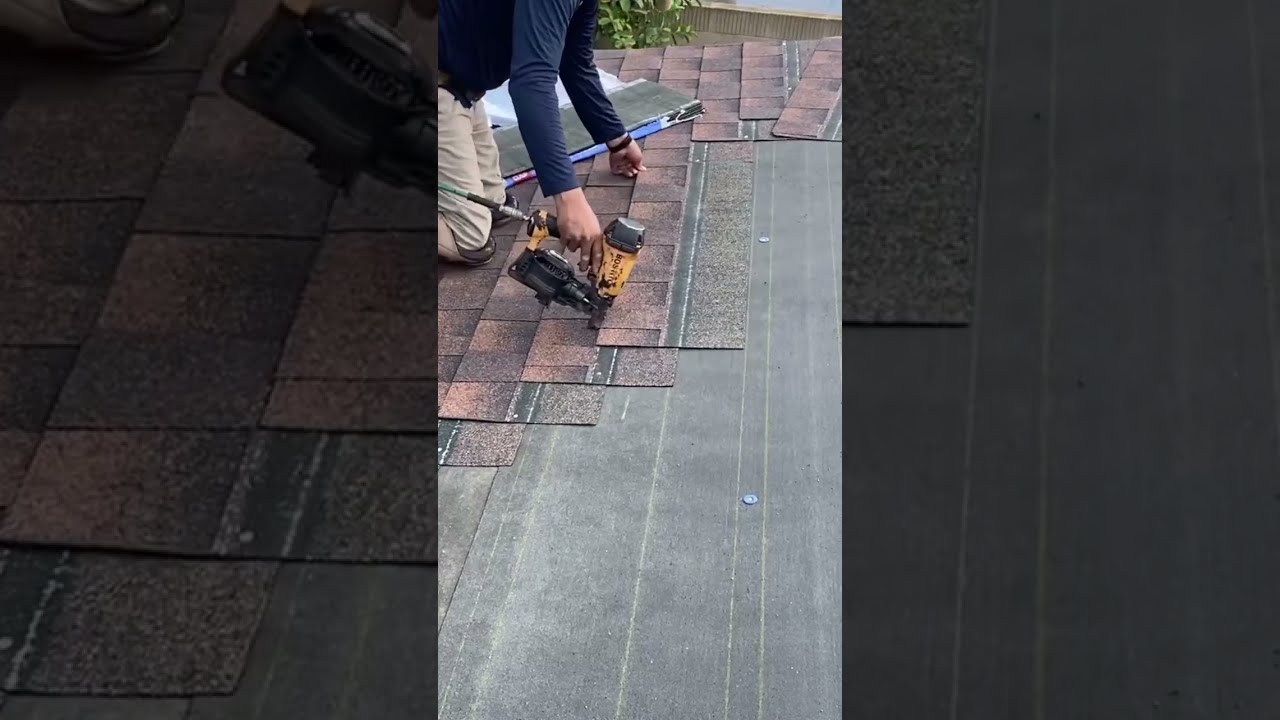
For homeowners who crave a classic look, traditional tiles can achieve a timeless appeal with proven performance in many climates. However, keep in mind that color fades, chipping, or cracking can occur with exposure to harsh weather over time. Britmet solutions increasingly offer durable colorfast finishes that resist fading, with warranties supporting long-term color stability.
Thermal performance and energy efficiency: does roof choice affect comfort?
Yes, the roof plays a meaningful role in how a home feels inside. Lighter-weight systems can reduce heat absorption in some configurations, and certain Britmet profiles are designed to improve ventilation and reduce roof surface heat buildup. When paired with proper insulation and an air gap ventilation strategy, you can legitimately lower cooling loads in hot climates and maintain more stable indoor temperatures.
On the flip side, traditional tiles can retain heat more readily, depending on the color and material. Dark colors, while striking, can absorb more heat, which translates to higher attic temperatures if ventilation is insufficient. The thermodynamics at play are simple: better ventilation plus reflective surfaces equals a more comfortable living space and lower energy bills.
Weather resilience: wind, rain, and snow considerations
Roof performance in extreme weather is non-negotiable. Wind uplift resistance is critical in exposed locations. Britmet products often offer higher wind uplift ratings due to integrated fastening systems and airtight interlocks. Traditional tiles vary by material and profile, and some may require additional sealants or underlayment strategies to achieve comparable performance.
Water ingress is another area to watch. Interlocking systems that seal seams effectively can provide better water resistance in heavy rain compared to some traditional tile configurations. In snow-prone areas, drainage and ice dam prevention become important. The choice between Britmet and traditional tiles should incorporate local climate data, roof pitch, and overhangs.
Safety and compliance: working with professionals you can trust
Roof projects demand skilled hands and clear safety protocols. Work with licensed installers who are trained on the specific system you choose. Ask for carbon footprint data, material certifications, and proof of insurance. A reputable contractor will walk you through the installation plan, including lead times, staging, and contingency plans for weather delays.
I’ve found that when homeowners select a contractor who communicates openly, the project runs smoothly. A straightforward schedule, contact points, and a transparent change-order process reduce stress and keep projects on track.
Table: quick comparison at a glance
| Feature | Britmet Panels | Traditional Tiles | |--------|------------------|-------------------| | Weight | Generally lighter; reduces structural load | Heavier; may require reinforcement in older homes | | Installation speed | Fast with interlocking systems | Slower; requires precise alignment and more pieces | | Wind uplift resistance | Strong due to profile and fasteners | Varies by tile type and installation method | | Maintenance | Fewer moving parts; some coatings require care | Periodic inspection for broken or displaced tiles | | Aesthetic options | Modern and varied textures; color stability | Classic tile looks; broad color range | | Heat and energy | Optional insulating layers improve thermal performance | Color and material impact heat absorption | | Lifecycle cost | Competitive, often lower when factoring labor | Long track record; maintenance can add up |
This table should help you visualize the core differences quickly. Remember, your project’s success hinges on pairing the right system with the right installer and a detailed plan.
FAQs
1) What is the typical lifespan of Britmet compared to traditional tiles?
Britmet systems are designed for long-term durability with coatings and profiles to resist weathering. Traditional tiles also offer strong lifespans but can require more maintenance over time, depending on climate and installation quality.
2) Can I retrofit Britmet onto an Business existing roof without structural changes?
In many cases yes, but a structural assessment is essential. Lighter Britmet profiles can be installed with less load on the rafters, yet old rafters may still require reinforcement if moisture or rot exists.
3) Will my insurance cover a Britmet roof?
Most home insurers cover modern roofing systems equally, provided the installation follows manufacturer guidelines and the contractor is licensed. Always check your policy details and Business keep documentation handy.
4) Which roof type is better for windy areas?
Britmet generally performs well in wind-prone locations due to interlocking designs and secure fastening. However, a qualified installer should tailor the technique to your site conditions.
5) How do color choices impact energy bills?
Lighter colors reflect more sunlight, which can reduce heat gain, especially in hot climates. Dark colors absorb heat; combined with proper ventilation, you can manage attic temperatures effectively.
6) What should I look for in a quote?
Compare material costs, installation labor, warranty terms, lead times, and what happens if weather delays occur. Ensure the quote specifies the exact product line, color, and underlayment requirements.
Conclusion: making a confident, informed choice
Roof decisions aren’t a gamble; they’re an investment in comfort, you can try here safety, and the home’s future value. Britmet and traditional tiles each have distinct strengths. The right choice depends on your roof design, local climate, structural capacity, and how much you value speed of installation versus a classic look. My approach is to help homeowners map their priorities—durability, aesthetics, budget, and maintenance—and then align them with a solution that reliably delivers. If you’re weighing options for your roof, I’m happy to walk you through a no-pressure assessment, share field-tested recommendations, and connect you with trusted installers who can bring the plan to life.
If you’d like to discuss your project or get a tailored comparison for your home, drop a note with your roof type, location, and goals. I’ll respond with a practical plan, costs, and a timeline based on real-world experience.